
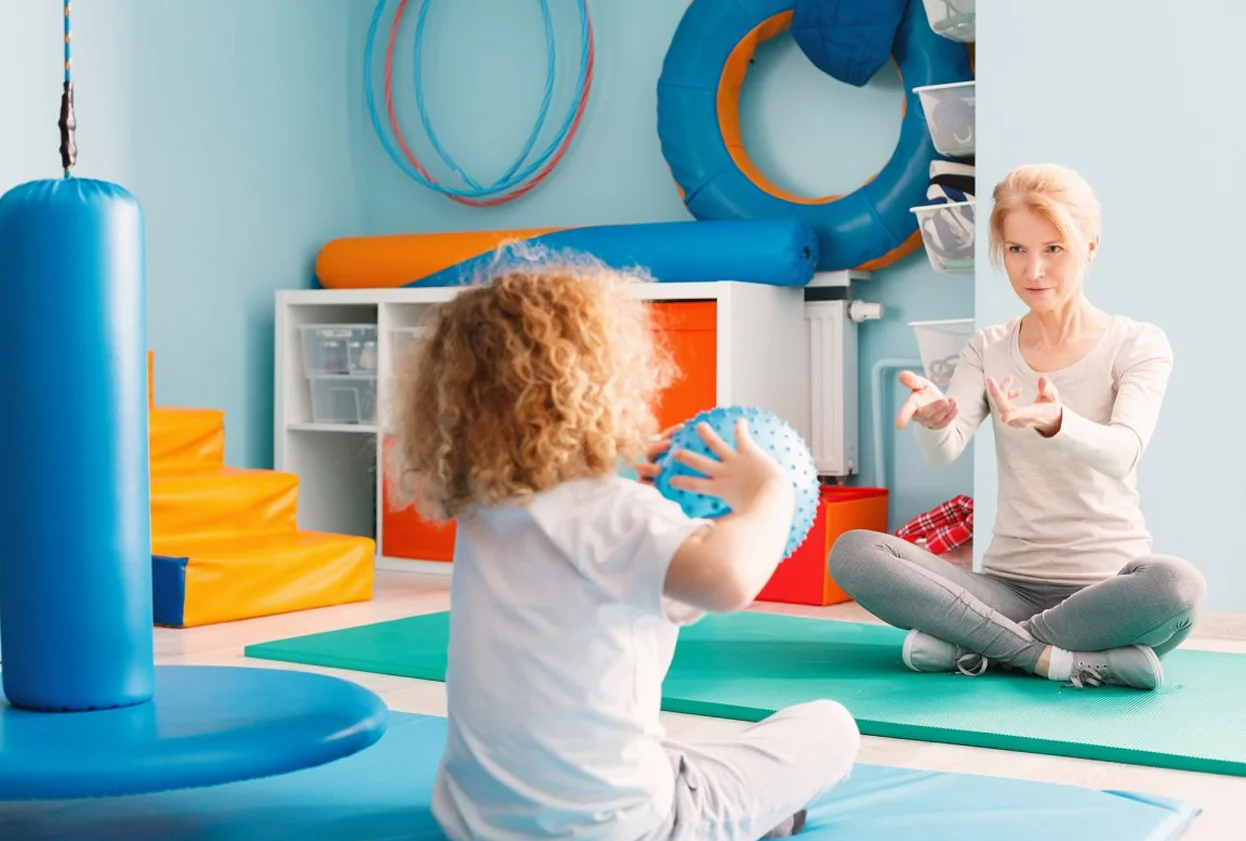
Occupational Therapy for Children in Vijay Nagar, Delhi
Helping Children Develop Independence in Everyday Activities
Occupational therapy helps children develop the skills needed to participate in everyday activities at home, at school and in their community.
These activities, often called occupations in occupational therapy, include playing, learning, dressing, eating, writing, personal care and interacting with the environment.
Children who experience difficulties with motor coordination, sensory processing, hand skills, self-care or participation in everyday routines may benefit from an occupational therapy assessment.
At Paartha Diagnostic Centre, Vijay Nagar, Delhi 110009, occupational therapy intervention can be tailored to the child's developmental abilities, functional difficulties and individual goals. Organised under stewardship of Dr. Praveen Suman, the lead developmenatl pediatrician at Sir Ganga Ram Hospital, Delhi, the centre employs only well trained, experienced and licensed occupational therapists.
Who May Benefit from Occupational Therapy?
Occupational therapy may be considered for children experiencing:
Delays in fine motor skills and hand coordination.
Difficulty holding a pencil, using scissors or manipulating small objects.
Problems with handwriting, drawing or other classroom activities.
Challenges with dressing, feeding, grooming or other self-care tasks.
Difficulties with balance, body awareness or motor coordination.
Sensory-related difficulties that interfere with daily routines or participation.
Difficulty participating in age-appropriate play and functional activities.
Developmental delays affecting independence and everyday functioning.
Functional difficulties associated with autism spectrum disorder, ADHD or other developmental conditions.
An occupational therapy assessment helps determine which skills require attention and whether intervention is appropriate.
What Does Paediatric Occupational Therapy Include?
1. Fine Motor Skill Development
Activities designed to improve hand strength, finger control, coordination and manipulation of objects.
2. Handwriting Readiness and Handwriting Skills
Intervention may address pencil grasp, hand control, pre-writing movements, letter formation and the functional aspects of handwriting.
3. Gross Motor Coordination
Where indicated, activities may target balance, body coordination, postural control and the motor skills needed for everyday participation.
4. Activities of Daily Living
Supporting children in developing greater independence in tasks such as dressing, feeding, grooming and personal hygiene, according to their developmental needs.
5. Sensory Processing Support
Assessing how sensory experiences affect a child's participation in daily activities and developing individualised strategies to support functional engagement and regulation.
6. Visual-Motor Integration
Activities that help children coordinate what they see with their hand movements, supporting tasks such as drawing, copying shapes, using tools and completing classroom activities.
7. Play and Functional Skills
Using age-appropriate play and purposeful activities to encourage coordination, problem-solving, motor planning and participation.
8. Parent and Caregiver Guidance
Helping families incorporate practical activities and appropriate strategies into daily routines to reinforce the goals of therapy.
Our Approach to Occupational Therapy
At Paartha Diagnostic Centre, we recognise that each child has a unique developmental and functional profile.
Our approach aims to include:
Individualised assessment of the child's strengths, challenges and functional needs.
Personalised goals based on the child's abilities and daily priorities.
Structured intervention using purposeful activities and therapeutic strategies.
Parent involvement to support skill development at home.
Progress monitoring and regular review of therapy goals.
Collaboration with paediatricians, special educators, speech and language therapists, psychologists, schools and other professionals when indicated.
The frequency and duration of intervention depend on the child's needs, assessment findings and progress.
Why Consider Early Occupational Therapy Support?
Early identification of functional difficulties can help families understand their child's needs and explore appropriate support.
Parents may consider an occupational therapy assessment if their child has persistent difficulty with hand skills, handwriting, coordination, sensory processing, self-care, play or participation in everyday activities.
Not every developmental difference indicates a disorder. However, persistent concerns deserve appropriate assessment rather than waiting indefinitely for the child to catch up.
Book an Appointment at Paartha Diagnostic Centre
If your child is experiencing handwriting problems, motor coordination challenges, sensory difficulties, developmental delays or difficulty performing everyday activities, professional guidance may help clarify the next steps.
Paartha Diagnostic Centre provides a setting where parents can seek guidance regarding their child's developmental and functional needs.
The centre has in house special education therapy and speech therapy facilities for comprehensive child development related therapies.
Location: E21, Vijay Nagar, Delhi – 110009
Appointments and Bookings: 011-41022755
Contact us to enquire about the availability of Occupational Therapy services and arrange an appointment.
Every child is different. Assessment and intervention plans are individualised, and outcomes vary according to the child's needs and circumstances.
Frequently Asked Questions About Occupational Therapy for Children
1. What is occupational therapy for children?
Paediatric occupational therapy helps children develop the functional skills required for everyday activities, including playing, handwriting, dressing, feeding, personal care and participation in school. Therapy is tailored to the child's developmental abilities and individual needs.
2. Which children may benefit from occupational therapy?
Children with developmental delays, fine motor difficulties, handwriting problems, motor coordination challenges, self-care difficulties or sensory-related challenges affecting everyday activities may benefit from an occupational therapy assessment.
3. What are the signs that my child may need occupational therapy?
Consider an assessment if your child persistently struggles with holding a pencil, using scissors, drawing, handwriting, buttoning clothes, using cutlery, coordinating movements, managing everyday routines or participating in age-appropriate play and activities.
4. Can occupational therapy help children with autism?
Yes. Occupational therapy may help children with autism develop functional skills related to self-care, motor coordination, play and participation in daily routines. Where appropriate, intervention may also address sensory-related difficulties that affect everyday functioning.
5. Can occupational therapy help children with ADHD?
Occupational therapy may help some children with ADHD develop strategies for organising tasks, participating in daily routines, managing activities and improving functional performance. The intervention is individualised and may complement other recommended treatments.
6. Can occupational therapy improve handwriting?
Occupational therapy may help children whose handwriting difficulties are associated with fine motor control, pencil grasp, visual-motor integration, posture or coordination. Intervention may include pre-writing activities, hand skill development and practice of functional handwriting tasks.
7. What are fine motor skills, and why are they important?
Fine motor skills involve the coordinated use of the small muscles of the hands and fingers. They are important for activities such as holding a pencil, drawing, writing, fastening buttons, handling small objects and using utensils.
8. Can occupational therapy help with delayed motor development?
Occupational therapy may help children who have difficulty developing age-appropriate motor and functional skills. Depending on the assessment, intervention may target hand coordination, visual-motor integration, motor planning, functional play and independence in daily activities.
9. What is sensory processing in occupational therapy?
Sensory processing refers to how the nervous system receives and responds to sensory information, such as touch, movement, sound and visual input. When sensory responses interfere with daily functioning, an occupational therapist may assess the difficulties and recommend appropriate functional strategies.
10. Can occupational therapy help children become more independent?
Yes. Occupational therapy may help children practise everyday activities such as dressing, feeding, grooming, personal hygiene and managing age-appropriate routines. Goals are adapted to each child's developmental level and abilities.
11. At what age can a child start occupational therapy?
Occupational therapy may be appropriate from infancy or early childhood when functional or developmental concerns are identified. The need for therapy and the activities used depend on the child's age, assessment findings and individual goals.
12. How long does occupational therapy take to show results?
Progress varies according to the child's needs, the goals being addressed, the frequency of intervention and opportunities to practise skills in daily life. Progress should be reviewed periodically, and goals adjusted when necessary.
13. How often does a child need occupational therapy sessions?
The recommended frequency depends on the child's assessment, functional difficulties and intervention goals. The occupational therapist can discuss an appropriate schedule with the family and review it as progress is monitored.
14. Can parents continue occupational therapy activities at home?
Yes. Parents can reinforce recommended skills through everyday activities, play, self-care routines and appropriate practice opportunities. Home activities should follow the occupational therapist's guidance and be suitable for the child's abilities.
15. Is occupational therapy the same as physiotherapy?
No. Occupational therapy primarily focuses on helping people participate in everyday activities, including self-care, fine motor tasks, play and school-related activities. Physiotherapy primarily focuses on movement, physical function, strength, balance and mobility. Their roles may overlap, and some children benefit from both.
16. Where can I find occupational therapy for children in Vijay Nagar, Delhi?
Paartha Diagnostic Centre is located at E21, Vijay Nagar, Delhi – 110009. Parents can call 011-41022755 to enquire about the availability of paediatric occupational therapy services and appointment arrangements.


 Call Or Whatsapp Now
Write a Reply or Comment